
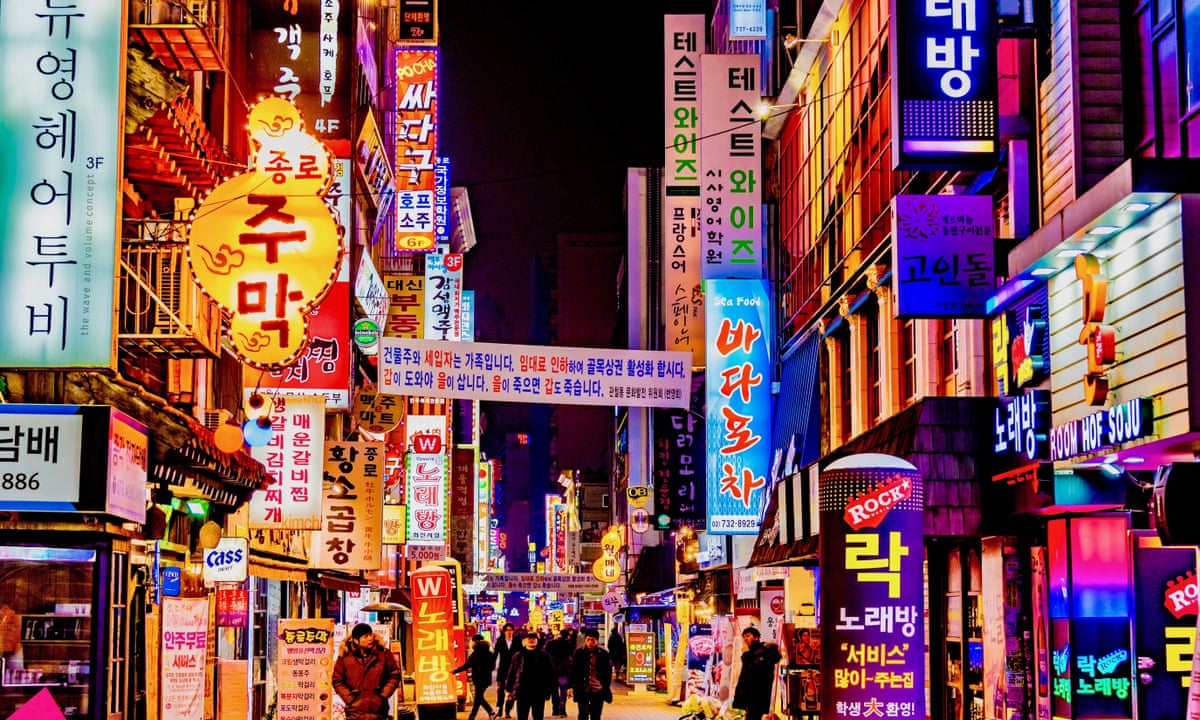
South Korea’s nightlife industry has become one of the most modern and influential entertainment sectors in Asia. Known for its energetic nightlife districts, luxury lounges, karaoke culture, live music venues, and late-night dining experiences, Korea offers a nightlife scene that combines entertainment, technology, and social culture.
Cities such as Seoul and Busan are especially famous for their nightlife industries, attracting millions of locals and international tourists every year. Over the past decade, Korean nightlife has transformed from traditional drinking culture into a diverse entertainment ecosystem shaped by youth culture, social media, tourism, Underscore Orkestra and digital innovation.
The Evolution of Korea’s Nightlife Industry
Korean nightlife has changed significantly over the years. In the past, nightlife mainly revolved around:
- Traditional pubs
- Drinking restaurants
- Karaoke rooms
- Small entertainment venues
Today, the industry includes:
- Luxury nightclubs
- Rooftop bars
- Live performance spaces
- Gaming cafés
- Themed entertainment lounges
- Digital social venues
- Late-night food markets
This transformation reflects changing lifestyles among younger generations who now seek entertainment experiences rather than simple social drinking.
The Importance of Seoul in Korean Nightlife
Seoul is considered the heart of Korea’s nightlife industry. The city operates almost 24 hours a day in some districts, with entertainment venues staying active until early morning.
Popular nightlife areas include:
- Hongdae
- Gangnam
- Itaewon
Each district offers a different nightlife experience depending on audience preferences and lifestyle trends.
Hongdae – Youth and Music Culture
Hongdae is widely known for its youthful energy and artistic atmosphere. Located near universities, the area attracts students, musicians, and young travelers.
The district is popular for:
- Live music performances
- Dance clubs
- Indie entertainment
- Budget-friendly bars
- Street performances
Hongdae represents Korea’s modern youth entertainment culture and remains one of Seoul’s busiest nightlife zones.
Gangnam – Luxury and Premium Nightlife
Gangnam is famous for upscale entertainment and premium nightlife experiences. The district became internationally recognized because of modern Korean pop culture and luxury lifestyles.
Gangnam nightlife includes:
- High-end clubs
- Rooftop lounges
- VIP entertainment venues
- Luxury dining
- Celebrity-frequented locations
Many of Korea’s most exclusive nightlife businesses operate in this district.
Itaewon – International Entertainment District
Itaewon is known for its multicultural nightlife environment. The area is especially popular among tourists and expatriates because many venues cater to international audiences.
Visitors enjoy:
- International restaurants
- Cocktail bars
- English-friendly venues
- Diverse music scenes
- Multicultural social spaces
Itaewon reflects the growing international influence within Korea’s nightlife industry.
Karaoke Culture and Noraebang
One of the most unique aspects of Korean nightlife is noraebang, which means karaoke room.
Unlike public karaoke systems common in Western countries, Korean noraebang venues offer private rooms where groups can sing and socialize together.
Noraebang remains extremely popular because it provides:
- Private entertainment
- Group social experiences
- Affordable pricing
- Late-night accessibility
- Large music libraries
Karaoke culture continues to be one of the most profitable sectors within Korea’s nightlife economy.
The Rise of Rooftop Bars and Lounge Culture
Modern Korean nightlife increasingly focuses on lifestyle experiences and visual aesthetics. Rooftop bars and luxury lounges have become highly popular, especially among younger professionals and tourists.
These venues attract customers through:
- Skyline views
- Premium cocktails
- Relaxed atmospheres
- Social media appeal
- Modern interior design
Many rooftop venues in Seoul offer views of:
- The Han River
- Downtown skyscrapers
- City nightlife districts
This trend reflects how nightlife businesses now prioritize atmosphere and lifestyle branding.
Technology’s Impact on Korean Nightlife
Technology plays a major role in Korea’s modern nightlife industry. Entertainment venues use digital systems to improve customer experiences and attract younger audiences.
Popular technological integrations include:
- Mobile reservation apps
- Digital ordering systems
- LED visual effects
- AI-powered music systems
- Social media marketing
- Livestream promotion
Many nightlife businesses now rely heavily on Instagram, TikTok, and influencer marketing to increase visibility.
The Connection Between Food and Nightlife
Food culture is deeply connected to Korean nightlife. Many nightlife activities continue late into the night through dining and street food experiences.
Popular late-night foods include:
- Korean fried chicken
- Tteokbokki
- Korean barbecue
- Ramyeon
- Soju and beer combinations
Night markets and 24-hour restaurants remain important parts of Korea’s social culture.
Late-night dining is often considered just as important as clubs or bars within the Korean nightlife experience.
Tourism and Global Influence
South Korea’s nightlife industry has become an important tourism attraction. International visitors are drawn by:
- K-pop culture
- Korean entertainment trends
- Luxury nightlife experiences
- Food culture
- Safe urban environments
Travel communities frequently rank Seoul among Asia’s top nightlife destinations because of its transportation systems, entertainment diversity, and modern infrastructure.
Challenges Facing the Industry
Despite its success, Korea’s nightlife industry faces several challenges:
- Rising business costs
- Economic uncertainty
- Digital entertainment competition
- Changing social habits
- Strict regulations
Younger generations increasingly spend time on online entertainment platforms, streaming services, and gaming instead of traditional nightlife activities.
As a result, many nightlife businesses are adapting by creating more immersive and experience-based entertainment environments.
The Future of Korean Nightlife
Industry experts believe Korean nightlife will continue evolving through:
- Technology-driven entertainment
- AI-enhanced experiences
- Interactive venues
- Luxury social spaces
- Digital integration
Businesses are expected to focus more on personalized experiences and lifestyle branding rather than traditional nightclub models alone.
Final Thoughts
Korea’s modern nightlife industry reflects the country’s fast-paced culture, technological innovation, and global entertainment influence. From karaoke rooms and rooftop bars to luxury clubs and digital entertainment spaces, Korean nightlife continues attracting both locals and international visitors.
As entertainment trends evolve, South Korea is expected to remain one of Asia’s most influential nightlife destinations, combining technology, culture, food, and social experiences into a unique modern entertainment industry.

