
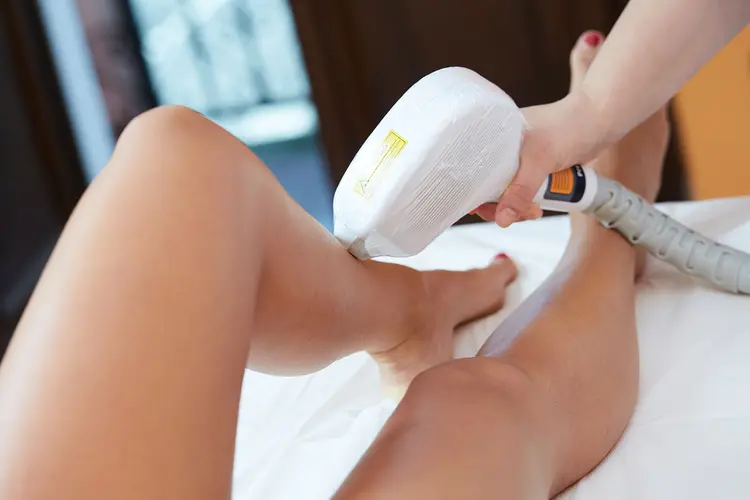
Laser hair removal has become one of the most commonly requested aesthetic dermatology procedures worldwide. Many people choose laser treatments to reduce unwanted hair growth on the face, underarms, legs, arms, chest, back, and bikini line. Compared to temporary methods like shaving, waxing, and threading, laser procedures offer longer-lasting results and can help reduce issues such as ingrown hairs and skin irritation.
Despite its popularity, laser hair removal is still widely misunderstood. Patients often assume the treatment is completely permanent, suitable for everyone, or risk-free, regardless of skin type. In reality, laser procedures should always be approached carefully, especially for individuals with darker skin tones, hormonal conditions, sensitive skin, or underlying medical concerns.
Understanding how laser hair removal works, which skin types respond best, the possible side effects, and when the procedure may not be appropriate can help patients make safer, more informed decisions.
How Laser Hair Removal Works
Laser hair removal works by targeting melanin, the pigment found in hair follicles. The laser emits concentrated light energy, which is absorbed by the hair pigment. This heat damages the follicle and reduces future hair growth.
Hair grows through different phases, and laser treatments are most effective during the active growth phase, the anagen stage. Since not all hairs are in the same phase at the same time, multiple treatment sessions are usually required for noticeable and long-term reduction.
Most patients require between 6 to 8 sessions, depending on factors such as:
- Hair thickness
- Hormonal influences
- Skin tone
- Treatment area
- Hair density
- Type of laser technology used
Laser hair removal typically reduces hair growth significantly, but maintenance sessions may still be needed over time.
Common Areas Treated With Laser Hair Removal
Laser treatments are commonly used on:
- Laser for Face and upper lip
- Laser for Chin and jawline
- Laser for Underarms
- Laser for Arms and legs
- Laser for Chest and abdomen
- Laser for Back and shoulders
- Laser for Bikini and intimate areas
Some patients also seek laser treatment for excessive facial hair caused by hormonal conditions such as polycystic ovary syndrome (PCOS).
Different Types of Laser Technologies
Not all laser devices are the same. Choosing the correct laser technology is extremely important for both safety and treatment effectiveness, particularly for South Asian and darker skin tones.
Alexandrite Laser
The Alexandrite laser is commonly used for lighter skin tones. It works quickly and is effective for fine to medium hair, but may carry a higher risk of pigmentation changes in darker skin types.
Diode Laser
Diode lasers are widely used because they can treat a broader range of skin tones and hair textures. They are commonly recommended for medium skin types and are frequently used in modern aesthetic clinics.
Nd:YAG Laser
Nd:YAG lasers are generally considered safer for darker skin tones because they penetrate more deeply while reducing damage to surrounding skin pigments. This technology is often preferred for South Asian, Middle Eastern, and other deeper skin tones.
IPL (Intense Pulsed Light)
IPL is technically not a true laser, although many people confuse it with laser hair removal. IPL devices use broad-spectrum light and may be less precise compared to medical-grade laser systems. Results can vary significantly depending on device quality and operator experience.
Why Skin Type Matters in Laser Hair Removal
One of the most important parts of laser treatment planning is assessing skin type.
Dermatologists commonly use the Fitzpatrick Skin Type scale, which classifies skin based on its response to sun exposure. This helps determine which laser settings and technologies are safest for each patient.
Patients with darker skin tones contain more melanin in the skin itself, not just the hair follicles. If inappropriate laser settings are used, the surrounding skin may absorb excess heat, increasing the risk of complications such as:
- Hyperpigmentation
- Burns
- Blistering
- Uneven skin tone
- Scarring
This is one reason why treatment by a qualified and experienced professional is important, especially in regions like Pakistan, where medium-to-deep skin tones are common.
Benefits of Laser Hair Removal
Laser hair removal offers several potential advantages when performed correctly.
Long-Term Hair Reduction
Many patients experience a major reduction in hair growth after completing their treatment sessions. Hair that regrows is often finer and lighter.
Reduced Ingrown Hairs
Laser procedures may help individuals who struggle with painful ingrown hairs caused by shaving or waxing.
Less Skin Irritation
Frequent shaving and waxing can lead to irritation, cuts, folliculitis, and inflammation. Laser treatments may reduce the need for repeated skin trauma.
Time-Saving
For patients who regularly wax or shave large body areas, laser hair reduction can reduce the need for long-term maintenance.
Improved Skin Texture
Some patients notice smoother skin after reducing chronic irritation and ingrown hair formation.
Possible Risks and Side Effects
Although laser hair removal is generally considered safe when performed properly, side effects can still occur.
Temporary side effects may include:
- Redness
- Mild swelling
- Skin sensitivity
- Warmth in the treated area
These effects usually improve within a few hours to a few days.
Less common but more serious complications can include:
- Burns
- Blisters
- Post-inflammatory hyperpigmentation
- Hypopigmentation
- Scarring
- Eye injury may occur if protective measures are ignored
Risk levels often increase when untrained operators perform procedures or when low-quality devices are used without proper skin assessment.
Who Should Avoid Laser Hair Removal?
Laser hair removal may not be suitable for everyone.
Patients should consult a qualified dermatologist before treatment if they have:
Active Skin Infections
Laser treatment should usually be postponed in the presence of infections, open wounds, or severe skin inflammation.
Very Recent Tanning or Sunburn
Tanned skin contains more active pigment, which can increase the risk of burns and pigmentation complications.
Certain Medical Conditions
Patients with conditions such as lupus, photosensitivity disorders, or certain hormonal disorders may require additional medical evaluation.
Pregnancy
While laser hair removal has not been conclusively proven harmful during pregnancy, many clinics prefer postponing elective laser procedures as a precaution.
Unrealistic Expectations
Patients who expect complete, permanent hair removal after one or two sessions may be disappointed. Realistic counseling is an important part of ethical treatment planning.
Why Professional Evaluation Matters
Laser procedures should not be treated as routine salon services without medical oversight. Skin color, hair type, hormonal influences, medications, and previous skin reactions all affect treatment safety and outcomes.
A proper consultation usually includes:
- Skin type evaluation
- Medical history review
- Assessment of hormonal factors
- Discussion of previous treatments
- Patch testing when needed
- Explanation of realistic expectations
An experienced dermatologist can also determine whether excessive hair growth may be linked to an underlying medical condition that requires treatment beyond cosmetic procedures.
Patients often review clinic credentials, treatment approaches, and verified patient experiences before selecting a provider through platforms such as this Google Business Profile.
Laser Hair Removal and Hormonal Hair Growth
Hormonal conditions can significantly affect treatment outcomes.
Women with PCOS or hormonal imbalances may continue developing new hair follicles even after successful laser sessions. In these cases, maintenance treatments and medical management may both be necessary.
This is why laser procedures should ideally be viewed as part of a broader dermatological and hormonal assessment rather than an isolated cosmetic service.
Preparing for Laser Hair Removal
Patients are commonly advised to:
- Avoid waxing or plucking before treatment
- Shave the area before sessions
- Avoid excessive sun exposure
- Inform the doctor about medications
- Avoid harsh skincare products before treatment
Following proper pre-treatment instructions helps reduce the risk of complications.
Post-Treatment Skin Care
After laser sessions, patients are usually advised to:
- Use sunscreen regularly
- Avoid excessive heat exposure
- Avoid aggressive exfoliation
- Keep the treated area moisturized
- Avoid scratching irritated skin
Sun protection is particularly important in Pakistan’s climate, where UV exposure can worsen post-treatment pigmentation.
Final Thoughts
Laser hair removal can be an effective option for long-term hair reduction when performed with appropriate technology and under proper medical supervision. However, treatment outcomes depend heavily on factors such as skin type, hormonal influences, laser selection, and provider expertise.
Patients with darker skin tones, sensitive skin, pigmentation concerns, or underlying hormonal issues should be especially careful when choosing where to receive treatment. Understanding both the benefits and limitations of laser procedures helps patients make safer and more realistic decisions about their skin health.
As with many dermatological and aesthetic procedures, personalized evaluation remains one of the most important parts of achieving safe and effective results.

