
Across nearly every traditional culture, the weeks following childbirth came with a specific set of herbal practices meant to support recovery. Long before modern postpartum care existed in any formal sense, new mothers were given specific teas, broths, and herbal preparations, often by grandmothers, midwives, or other experienced women in the community who had guided dozens of new mothers through the same recovery period and had accumulated real, practical expertise through repeated hands-on experience.
This body of knowledge rarely made it into formal historical records the way medical texts written by men in official institutions did. It lived instead in oral tradition, passed directly from experienced women to new mothers, which means much of it has been historically underappreciated and understudied compared to more formally documented areas of traditional medicine. That doesn’t make it any less real or any less carefully developed over generations of hands-on practice.
Common Threads Across Different Cultures
These traditions varied significantly by region, but certain themes repeat across cultures: warming herbs to support circulation and recovery, gentle plants to soothe the body after the physical demands of labor, and specific teas meant to support skin healing during a time when the body is doing an enormous amount of repair work all at once. This wasn’t random. It reflected careful, community-tested observation passed down through generations of women who had no other record-keeping system besides memory and word of mouth.
The consistency of these themes across cultures with little to no historical contact with each other is worth pausing on. When postpartum herbal traditions from entirely separate parts of the world independently arrive at similar categories of plant use, warming herbs, gentle digestive support, skin-healing preparations, it suggests these patterns emerged from genuine observed need rather than coincidence or cultural borrowing.
Calendula’s Role in Postpartum Traditions
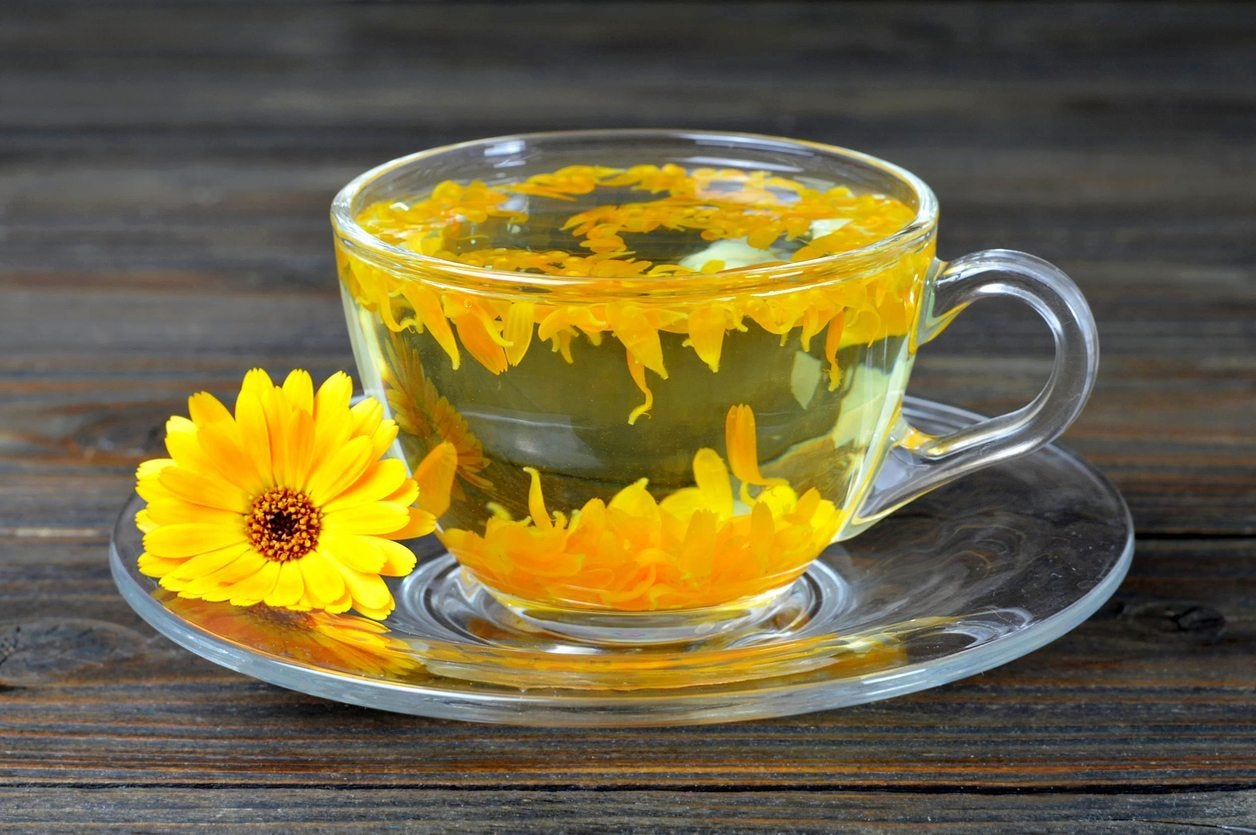
Calendula appears in several of these traditional postpartum practices, valued largely for its association with skin healing and gentle support during recovery. Some traditions incorporated it as a topical wash, while others included calendula tea as part of a broader postpartum herbal routine, reflecting the same dual internal and external use that shows up in so much of this plant’s traditional history.
The specific emphasis on skin healing in postpartum contexts makes particular sense given calendula’s broader reputation across many other traditional uses. A period of significant physical recovery, involving healing tissue and general bodily repair, is exactly the kind of situation where a plant historically associated with supporting skin recovery would naturally find a place in traditional care practices, whether or not the women using it had any formal understanding of why it seemed to help.
Why This History Rarely Gets Told
Part of why this history gets so little attention is structural. Formal medical history has traditionally centered on institutions, credentialed practitioners, and written records, categories that historically excluded most of the women who actually provided postpartum care in their communities. Their knowledge was real, tested, and refined over generations, but it rarely got written down by the people doing the work themselves, and when it was recorded at all, it was often filtered through outside observers who didn’t always understand or respect the underlying logic of the practices they were documenting.
This gap in the historical record doesn’t mean the knowledge wasn’t sophisticated. It means we have to work a little harder to recover and appreciate it, piecing together patterns from surviving oral traditions, folklore, and the occasional written account left by someone who thought to record what they observed.
The Midwife’s Role in Preserving This Knowledge
Traditional midwives across many cultures were often the primary keepers of postpartum herbal knowledge, accumulating direct experience across dozens or even hundreds of births over a career. This hands-on, repeated exposure to real outcomes gave midwives a kind of practical expertise that’s easy to underestimate from a modern vantage point, especially given how thoroughly this role has been replaced or diminished in many parts of the world by hospital-based obstetric care.
Some regions have maintained stronger continuity of traditional midwifery practice than others, and where that continuity exists, researchers have had more opportunity to document and study these herbal traditions directly from practicing midwives rather than reconstructing them secondhand from fragmentary historical records. This ongoing living tradition, where it survives, represents an increasingly rare and valuable window into practices that have disappeared entirely elsewhere.
Modern Interest in Reviving These Traditions
This renewed interest has also encouraged more researchers to seek out and document surviving traditional midwifery practices before they disappear entirely, treating this as a genuine, if narrow, window of opportunity to preserve knowledge that has otherwise been passed along almost exclusively through direct, hands-on mentorship rather than any written record. That work matters not only for historical preservation but for anyone hoping to thoughtfully understand and incorporate these traditions into modern postpartum care going forward.
There’s been a noticeable renewed interest in traditional postpartum care practices in recent years, partly driven by broader interest in herbalism generally and partly by a recognition that modern postpartum care, for all its genuine medical advances, sometimes overlooks the kind of sustained, holistic support that traditional practices emphasized. This doesn’t mean rejecting modern medical care in favor of tradition, but rather looking for ways to thoughtfully combine the genuine safety benefits of modern medicine with the supportive, whole-person approach that characterized a lot of traditional postpartum practice.
Calendula’s traditional role in this context fits naturally into this kind of thoughtful combination, since a gentle herbal tea poses little conflict with modern medical care and can reasonably be incorporated into a modern postpartum routine alongside appropriate medical supervision, for anyone interested in drawing on this particular thread of traditional practice.
What Modern Postpartum Care Still Owes This History
Anyone interested in exploring this area further would do well to approach it the way a careful historian would: cross-referencing multiple sources, distinguishing between well-documented traditions and single, isolated references, and staying honest about the limits of what we can know from fragmentary historical records. That careful approach honors the women whose knowledge this was originally far better than either uncritical romanticization or dismissive skepticism ever could.
Modern postpartum care looks very different today, with medical support and resources many historical mothers never had access to. But the herbal traditions that surrounded childbirth for centuries still carry useful threads worth understanding, both as a piece of women’s history that rarely gets the attention it deserves, and as a starting point for anyone curious about how traditional herbalism approached one of the most physically demanding periods in a person’s life.
Looking back at these traditions with genuine respect, rather than dismissing them as outdated folk practice, gives us a fuller picture of how generations of women cared for each other during a vulnerable and important time. Calendula’s quiet, consistent presence across so many of these traditions is a small but meaningful thread connecting modern herbalism back to centuries of careful, hard-won observation.

