
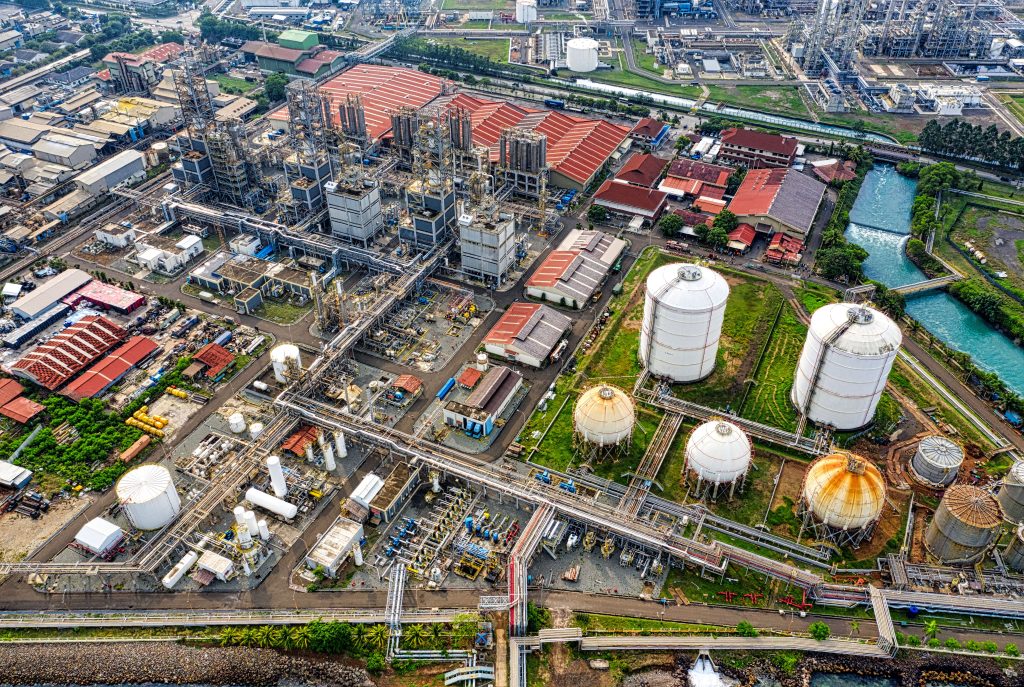
Running a large scale factory involves constant maintenance work, from routine equipment servicing to major overhauls that can shut down entire production lines for days at a time. With heavy machinery, skilled labor, and significant financial stakes involved, insurance is not just a formality but a critical safeguard against the many things that can go wrong. Choosing the right coverage requires understanding the specific risks tied to industrial maintenance work, since a generic business policy rarely covers the full scope of exposure a factory faces. Knowing which types of insurance matter most can help facility managers protect their operations, their workers, and their bottom line.
General Liability Coverage
General liability insurance forms the foundation of protection for any facility, covering claims related to bodily injury or property damage that occurs on-site. During maintenance work, this becomes especially important since factories often have vendors, inspectors, and contractors moving through the facility regularly, each representing potential liability if an accident occurs. If a visiting technician slips on a wet floor or equipment malfunctions and causes property damage, general liability coverage helps absorb the financial fallout from resulting claims or lawsuits. Given how much foot traffic and third-party involvement large factories typically have, this coverage is rarely optional and usually forms a baseline requirement for operating legally and responsibly.
Workers Compensation Insurance
Factory maintenance work is physically demanding and often involves genuine hazards, from heavy lifting to working around industrial machinery with moving parts. Workers compensation insurance covers medical expenses and lost wages for employees injured while performing their job duties, and in most states, carrying this coverage is a legal requirement rather than an optional add-on. Beyond the legal obligation, this insurance protects the business from potentially devastating lawsuits that could arise if an employee were injured without adequate coverage in place. Given the physical nature of maintenance tasks specifically, from working at heights to handling heavy equipment, ensuring robust workers compensation coverage is essential for protecting both employees and the business itself.
Equipment Breakdown and Property Insurance
Industrial machinery represents a massive financial investment, and unexpected breakdowns during maintenance or regular operation can be enormously costly to repair or replace. Equipment breakdown insurance specifically covers the cost of repairing or replacing machinery that fails due to mechanical issues, electrical problems, or operator error, which general property insurance often does not adequately address. This coverage frequently extends to lost income resulting from production downtime while equipment is being repaired, helping offset the financial strain of an unexpected shutdown. Given how interconnected factory operations tend to be, with one piece of malfunctioning equipment potentially halting an entire production line, this specialized coverage often proves its value quickly when incidents occur.
Contractor and Third-Party Liability Coverage
Large factories frequently rely on outside vendors and specialized technicians for maintenance work that falls outside the scope of in-house staff expertise. This introduces additional liability considerations, since accidents or damage caused by third-party contractors can create complicated coverage gaps if not properly addressed in advance. Facilities that rely heavily on outside labor often turn to external contractor management services to help vet vendor insurance requirements, verify certifications, and ensure that contractors carry adequate coverage of their own before stepping onto the factory floor. This proactive approach helps close potential liability gaps and ensures that responsibility for accidents or damage is clearly assigned rather than becoming a tangled dispute after the fact.
Business Interruption Insurance
Even with strong preventive maintenance practices, unexpected shutdowns can still occur, whether from equipment failure, natural disasters, or other unforeseen events. Business interruption insurance helps cover lost income and ongoing expenses, such as payroll and lease payments, during periods when a factory cannot operate at full capacity. This type of coverage becomes particularly relevant during major maintenance projects that require extended downtime, since the financial impact of halted production can extend well beyond the immediate repair costs. Factories that rely on tight production schedules and consistent output often find this coverage essential for weathering the financial disruption that significant maintenance work can sometimes cause.
Conclusion
Insuring a large scale factory against the risks tied to ongoing maintenance work requires a thoughtful combination of coverage types, each addressing a different layer of potential exposure. From general liability and workers compensation to equipment breakdown and business interruption insurance, these policies work together to protect both the physical facility and its financial stability. Taking the time to evaluate coverage needs carefully, rather than relying on a one-size-fits-all policy, ultimately gives facility managers far greater peace of mind when unexpected issues inevitably arise.

